Helpful Resources & Patient Education
We believe informed patients make better healthcare decisions. Our goal is to provide trusted educational resources, practical wound care guidance, and supportive information to help patients and caregivers throughout the healing journey. Explore helpful topics designed to promote recovery, prevent complications, and support long-term wellness.
Wound Prevention Tips
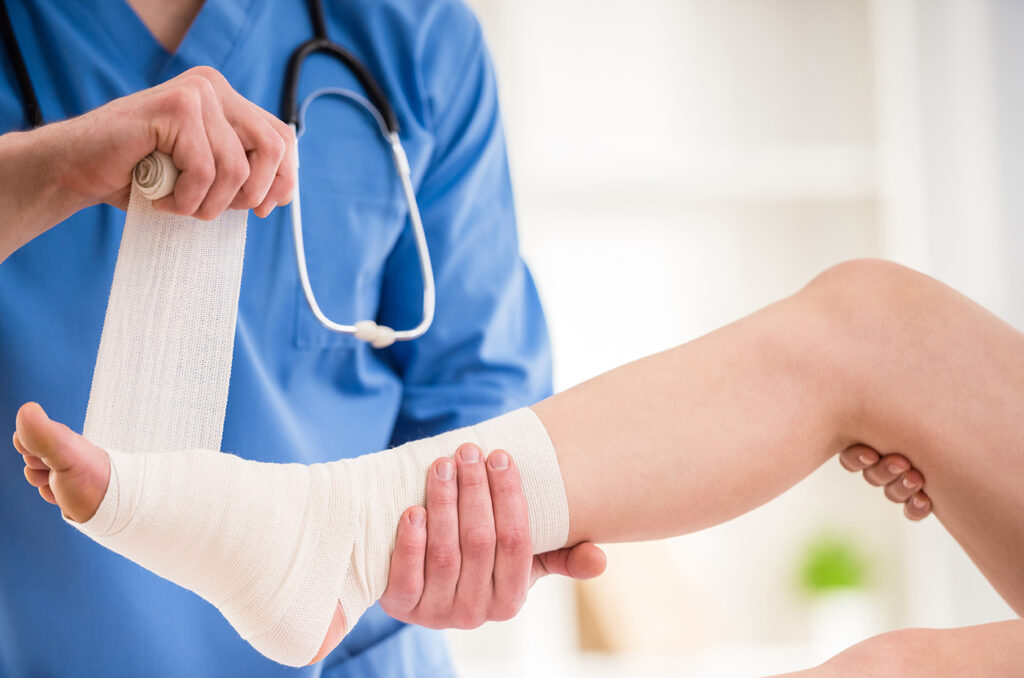
Preventing wounds before they develop is one of the best ways to maintain healthy skin and overall wellbeing. Simple habits such as keeping skin clean and moisturized, changing positions regularly, staying active, and wearing properly fitted footwear can significantly reduce the risk of skin breakdown and pressure injuries.
Diabetic Foot Care
People living with diabetes are at a higher risk for foot ulcers and slow-healing wounds. Daily foot inspections, proper hygiene, supportive footwear, and routine medical checkups are essential to prevent complications. Early attention to cuts, blisters, or redness can help avoid serious infections and improve healing outcomes.
Signs of Infection
Recognizing the early signs of infection is critical for proper wound management. Symptoms such as increased redness, swelling, warmth, unusual drainage, foul odor, fever, or worsening pain should never be ignored. Prompt medical attention can help prevent complications and support faster recovery.
Nutrition & Healing
Good nutrition plays an important role in the body’s ability to heal. A balanced diet rich in protein, vitamins, minerals, and hydration helps repair tissue, strengthen the immune system, and improve energy levels during recovery. Proper nutrition supports both short-term healing and long-term health.
Pressure Injury Prevention
Pressure injuries can develop when prolonged pressure reduces blood flow to the skin. Regular repositioning, pressure-relieving cushions or mattresses, skin inspections, and maintaining mobility are key steps in prevention. Caregivers and patients should work together to reduce prolonged pressure and protect vulnerable areas.
Caregiver Guidance
Caregivers provide essential support throughout the healing process. Understanding proper wound care techniques, recognizing warning signs, maintaining a clean environment, and encouraging healthy routines can improve patient comfort and recovery. Education and support empower caregivers to provide safe and effective care.
Frequently Asked Questions
Our collaborative approach helps ensure patients receive timely access to wound care supplies, mobility assistance, and coordinated care services.
How long does wound healing take?
Healing time depends on the type of wound, overall health, circulation, nutrition, and proper wound care. Some wounds heal within weeks, while chronic wounds may require ongoing treatment.
When should I seek medical attention for a wound?
You should contact a healthcare provider if you notice signs of infection, worsening pain, increased drainage, fever, or if the wound is not improving.
Can nutrition really affect healing?
Yes. Proper nutrition provides the body with the nutrients needed for tissue repair, immune support, and recovery.
How can I help prevent pressure injuries?
Frequent repositioning, proper skin care, staying active, and using pressure-relief surfaces can help reduce the risk.
Do chronic wounds always require specialized care?
Not always, but wounds that heal slowly or repeatedly reopen may benefit from specialized wound care treatment and monitoring.