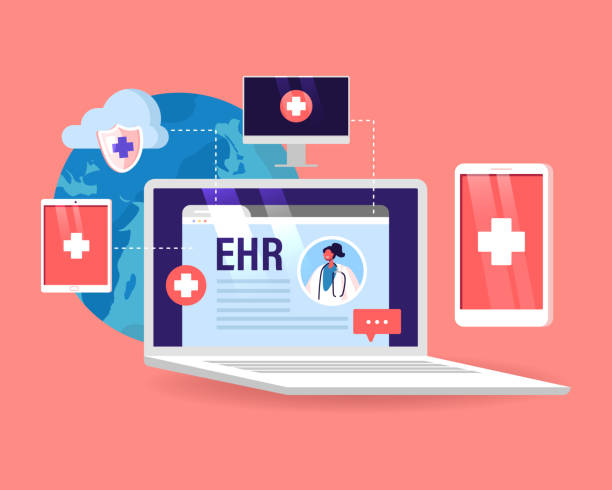
Electronic Health Records (EHR)

Efficient access to accurate patient information is essential for delivering quality healthcare. Our Electronic Health Records (EHR) solutions help healthcare providers streamline clinical workflows, improve communication, and enhance patient care through secure and organized digital record management.
At Wound Care Anywhere, we support healthcare teams with EHR systems designed to simplify documentation, improve operational efficiency, and provide real-time access to critical patient data. By replacing manual processes with integrated digital solutions, providers can focus more on patient care and less on administrative tasks.
Enhancing Clinical Efficiency

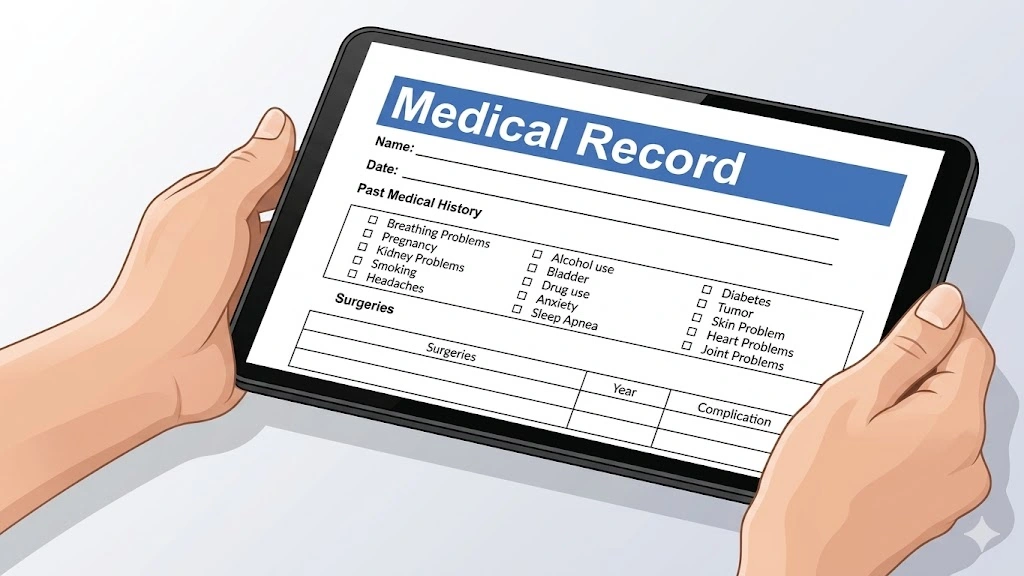
Electronic Health Records allow providers to securely store, manage, and access patient information from a centralized system. This improves coordination between care teams, reduces documentation errors, and supports faster clinical decision-making.
With streamlined workflows and secure data accessibility, healthcare organizations can improve productivity while maintaining compliance and patient confidentiality.

Key EHR Benefits

Centralized Patient Information

Access complete patient records, medical histories, treatment plans, and clinical documentation from one secure platform.

Improved Care Coordination

Enable seamless communication between healthcare providers, specialists, and care teams for more connected patient management.

Accurate Documentation

Reduce paperwork and improve documentation accuracy with structured digital recordkeeping.

Secure Data Management

Protect sensitive patient information through secure systems designed to support healthcare privacy and compliance standards.

Supporting Better Healthcare Outcomes

Modern healthcare requires reliable access to information, efficient coordination, and streamlined processes. Our EHR solutions help providers improve patient experiences, enhance operational performance, and deliver more informed, data-driven care.
At Wound Care Anywhere, we use technology to support smarter healthcare delivery, stronger care coordination, and improved patient outcomes.